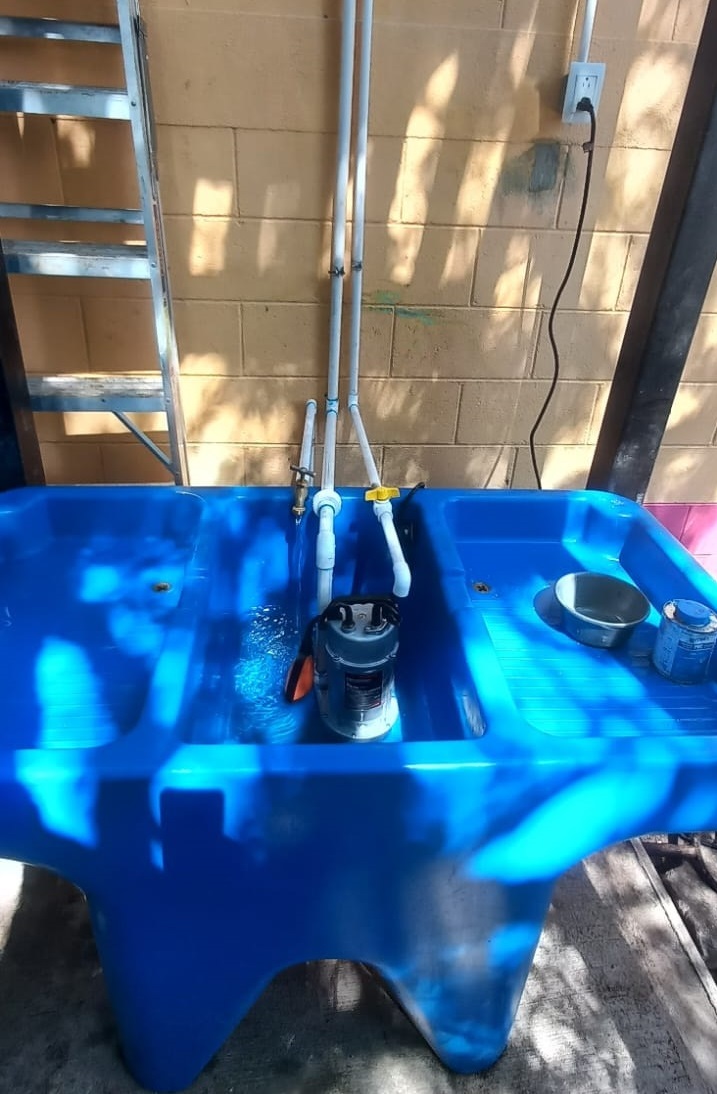
Lomas Village Kindergarten - Water System
📍 Aldea Lomas, San Jacinto, Chiquimula, Guatemala
📅 Project Timeline
About the Community
The village of Lomas Abajo, located in a geographically transitional zone of the municipality of San Jacinto, Chiquimula, is strategically situated as a link between the municipal seat and the higher mountain areas. With a population of 1,176, its economy is based on small-scale agriculture, focusing on the production of staple grains and the provision of day labor. In terms of education, it has infrastructure for primary and preschool levels (in the same building). Community health is a cornerstone of this village, as it houses the Health Post that provides primary care not only to local residents but also to the populations of Lomas Arriba and the village of Zapote. Mobility is relatively easier than in the higher areas, with sections of paved road that allow the flow of cargo and passenger vehicles, although some unpaved sections remain vulnerable to the weather. Local development has focused on household water security and strengthening service infrastructure to mitigate the effects of the Dry Corridor.
Want to fund a project like this?
Every dollar goes directly to communities in Guatemala. Your donation funds clean water, education, health, and infrastructure projects that change lives.
Donate Now